Reducing shrinkage: a practical playbook for small businesses
Published · 7 min read
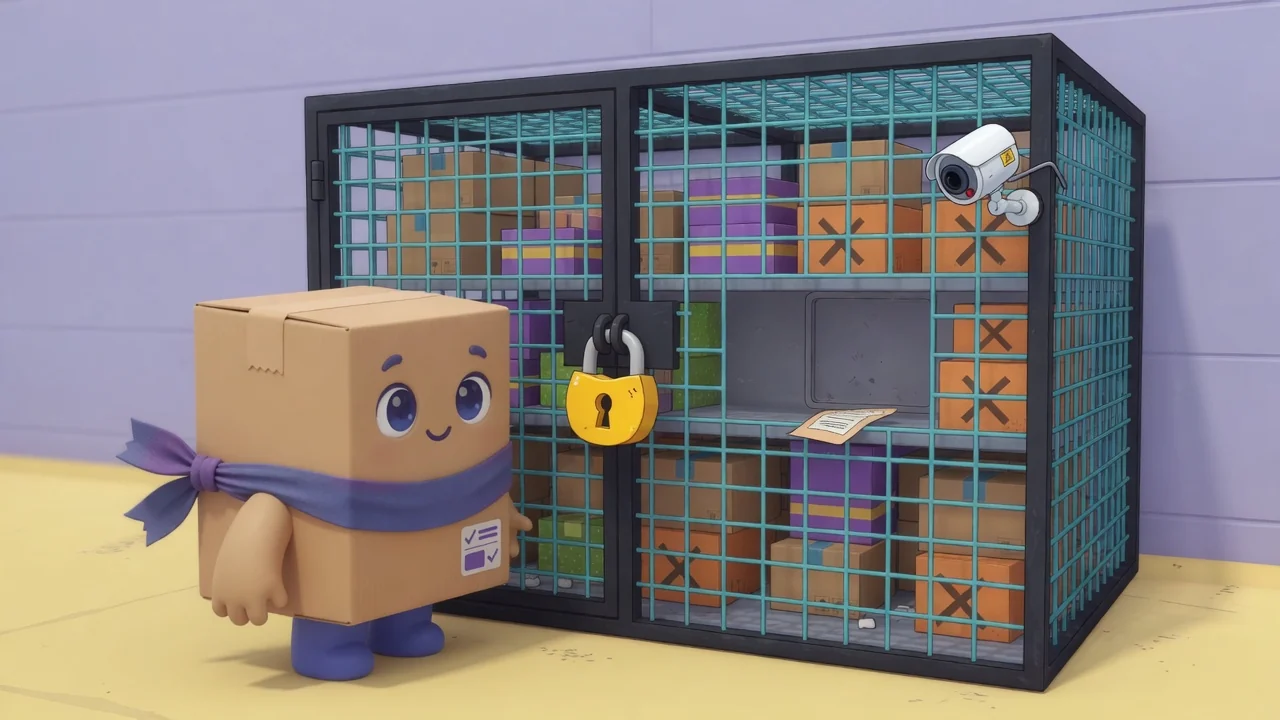
“Shrinkage” is the gap between the stock you should have and what’s actually on the shelf. It
comes from theft, yes, but more often from honest mistakes. The good news: most of it is preventable
without locking everything down.
Spot the gap early and you can still explain it.
First, measure it
You can’t reduce what you don’t track. Capture a snapshot,
count, and record the difference as a shrinkage rate (value lost ÷ value sold). Now you have a baseline.
Find the real causes
Before assuming theft, rule out the usual suspects, which are far more common:
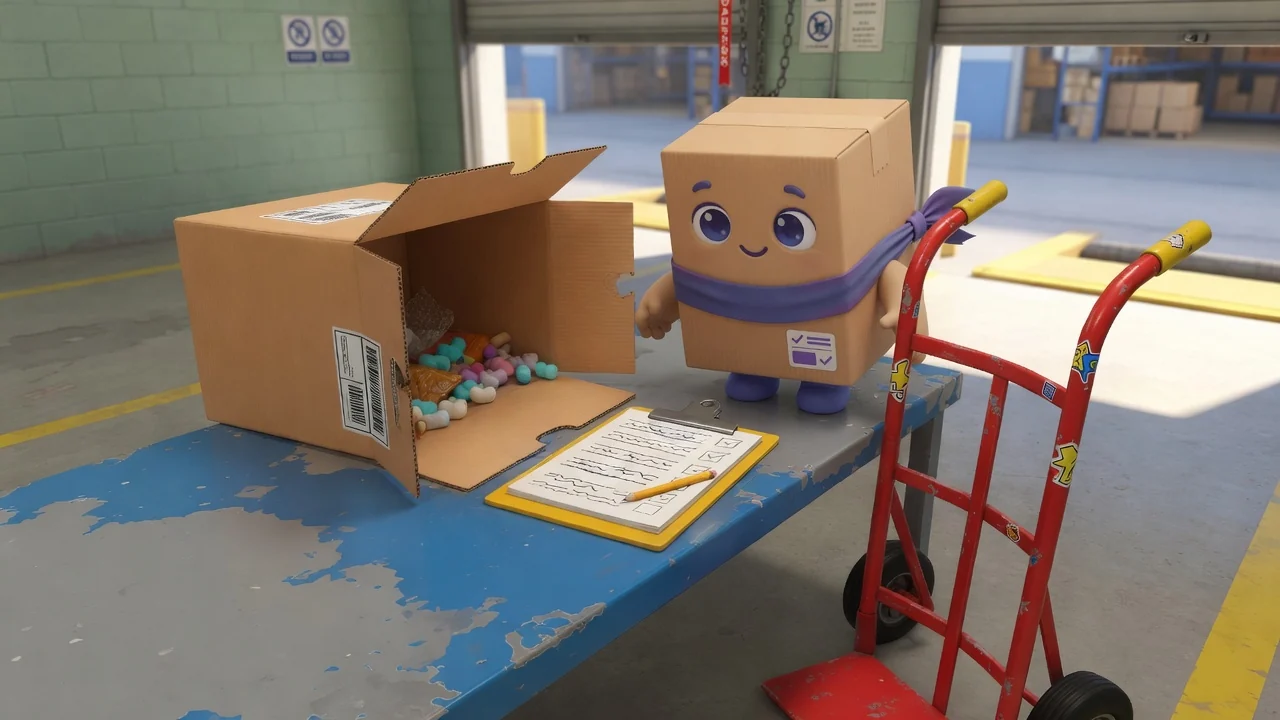
Receiving is where stock walks in. Count it.
Receiving errors: deliveries counted wrong on the way in.
Unrecorded usage: stock used or sold without being logged.
Damage and spoilage not written off.
Mis-picks and miscounts from manual entry.
Fix the process, not just the symptom
Count deliveries against the order at receiving, and tie it to order tracking.
Make logging usage a one-second QR scan so it actually happens.
Record damage as a deliberate adjustment, with a reason.
Keep a change history so a wrong number can be traced to who/what/when.
Count often enough to catch it early
Rolling cycle counts catch shrinkage while the trail
is fresh. A discrepancy found this week is solvable; one found at year-end is a mystery.