The true cost of a stockout (and how to calculate yours)
Published · 6 min read
It’s tempting to price a stockout as just the lost sale. The real bill is bigger, and once you see
it, investing in accurate counts becomes an easy decision.
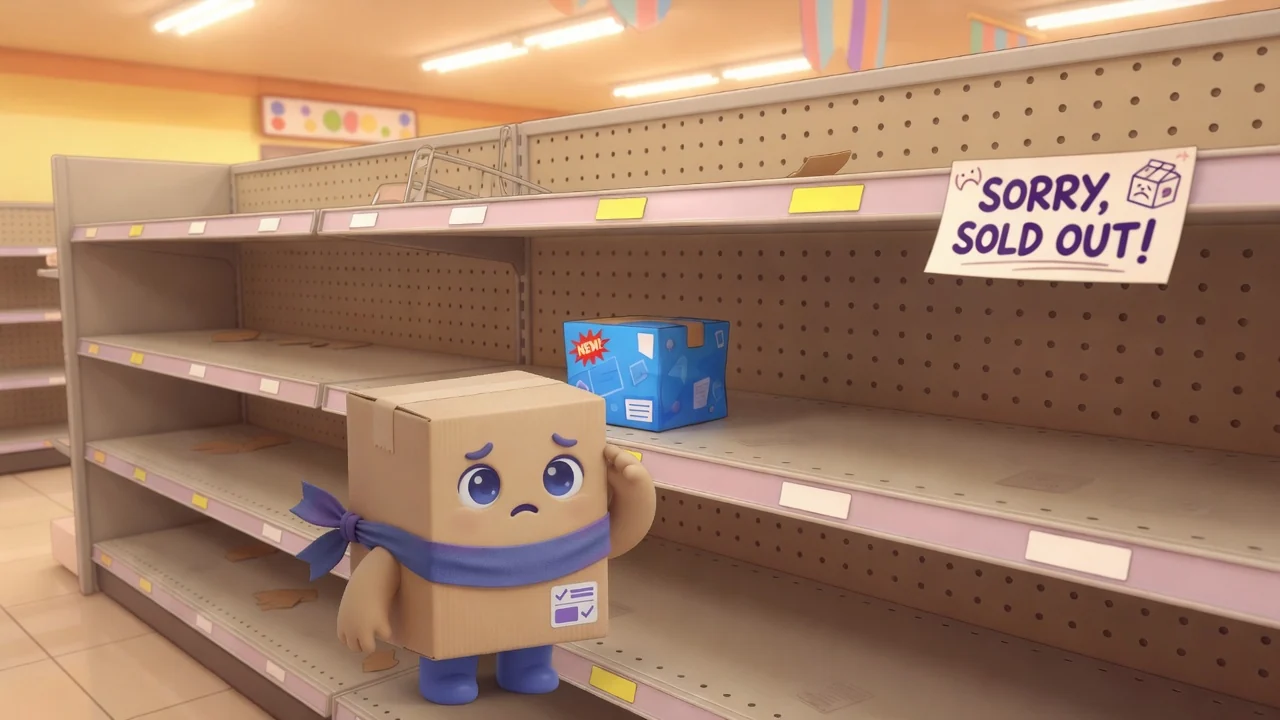
The empty shelf costs more than the missed sale.
The costs you can see
Lost margin on the sale you couldn’t fulfill.
Rush costs from expedited shipping or paying more to a backup supplier.
Idle labor when a job or production line waits on a missing part.
The costs you can’t
Lost customers. Some won’t come back, and their lifetime value walks with them.
Substitution. A customer who buys the cheaper alternative may never return to the original.
Reputation. “They never have it in stock” is hard to undo.
A back-of-envelope formula
For one stocked-out item: (units you’d have sold × margin per unit) + rush/labor costs +
(lost customers × their average lifetime value). Run it on a single recent stockout and the
number is usually sobering.
How to avoid most of them
The majority of stockouts come from inaccurate counts and reorders that happen too late. Accurate, scannable
stock plus reorder points and low-stock alerts
eliminate the avoidable ones, and order tracking
keeps replenishment on schedule.